

Address Poisoning Scam Explained: How Scammers Trick You Into Sending Crypto to the Wrong Wallet
The address poisoning scam is a subtle but highly effective crypto fraud that targets users who regularly copy and paste wallet addresses. Unlike wallet drainers or phishing scams, address poisoning does not require malicious links, fake websites, or smart contract approvals. Instead, it exploits human habit and transaction history.
This scam has quietly caused significant losses, especially among experienced crypto users who believe they are being careful.
What Is an Address Poisoning Scam?
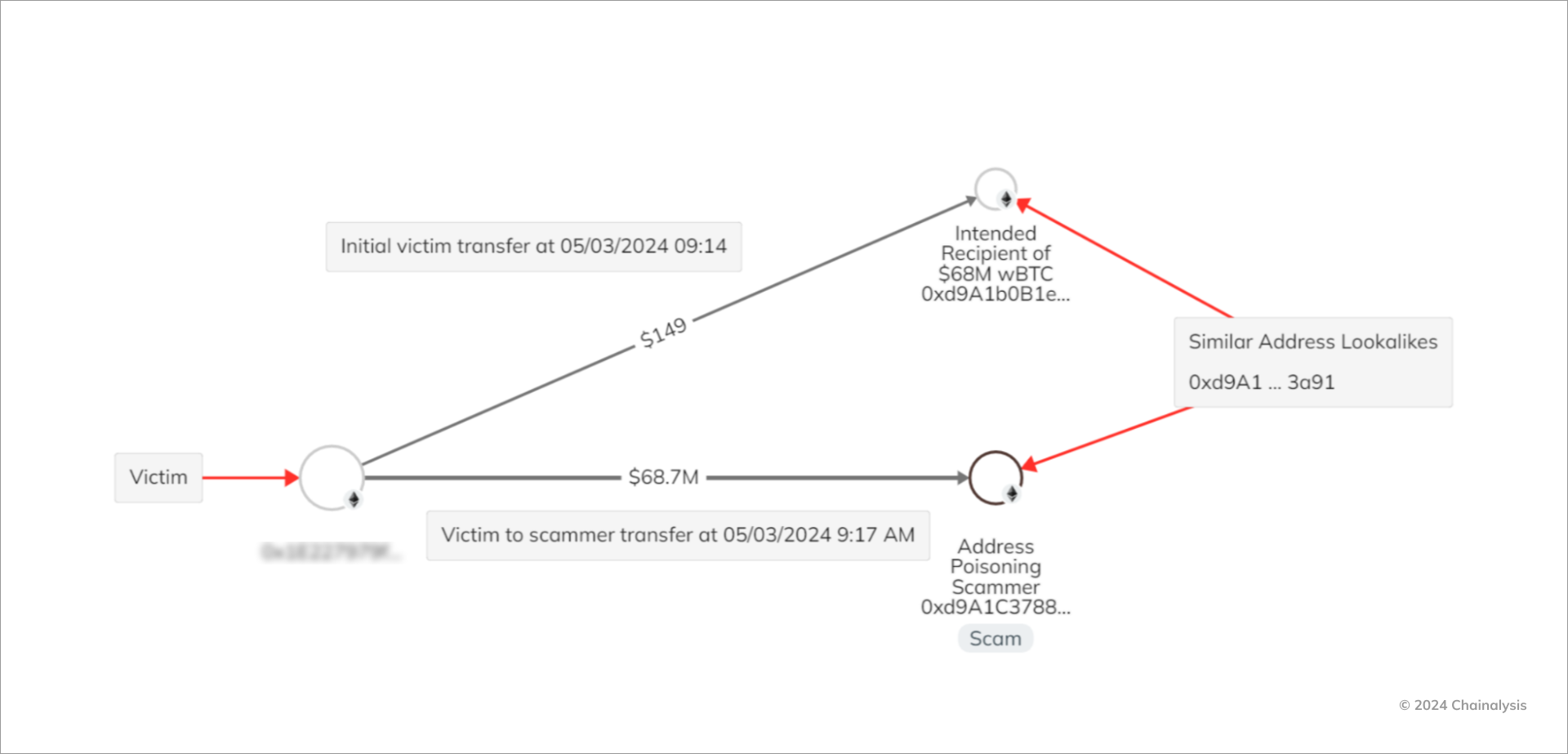
An address poisoning scam occurs when a scammer sends a small transaction to a victim’s wallet using a wallet address that closely resembles a legitimate one the victim has used before.
The goal is simple:
- Appear in the victim’s transaction history
- Be mistaken for a trusted address
- Get copied and reused by accident
Once the victim sends funds to the poisoned address, the crypto is gone permanently.
How Address Poisoning Scams Work
Address poisoning relies on predictability rather than deception.
Step 1: Monitoring Wallet Activity
Scammers monitor public blockchains for:
- Active wallets
- Repeated transfers to the same addresses
- Large or frequent transactions
Step 2: Creating a Lookalike Address
The scammer generates a wallet address that:
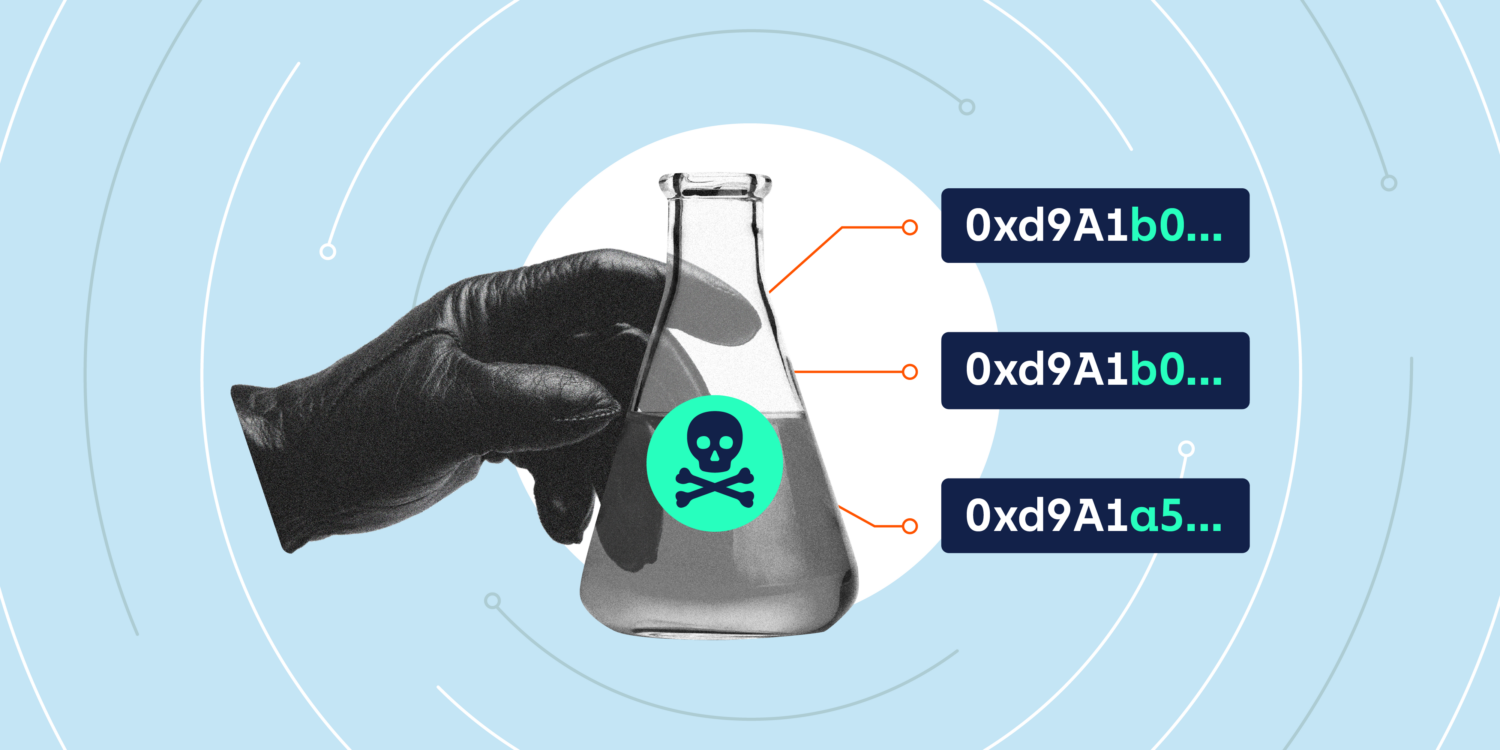
- Matches the first and last characters of a real address
- Looks identical at a glance
- Appears trustworthy when truncated
Because wallet interfaces shorten addresses, these similarities are often enough.
Step 3: Sending a “Poison” Transaction
The scammer sends a tiny amount of crypto (sometimes almost zero value) to the victim’s wallet from the lookalike address.
This places the scammer’s address into:
- Transaction history
- Recent recipients
- Wallet address lists
Step 4: The Mistake
Later, the victim:
- Copies the address from transaction history
- Assumes it’s the same trusted recipient
- Sends funds to the poisoned address
The transfer is valid, irreversible, and final.
Why Address Poisoning Is So Dangerous
Address poisoning scams are effective because:
- They don’t require phishing links
- They don’t trigger wallet warnings
- They rely on normal user behavior
- The blockchain shows a valid transaction
- The mistake often goes unnoticed until it’s too late
Even experienced users fall victim because the scam exploits routine, not ignorance.
Common Situations Where Address Poisoning Happens
- Repeated transfers to exchanges
- Sending funds between personal wallets
- Paying the same DeFi or service address regularly
- Copying addresses from transaction history
- Using mobile wallets with shortened address views
The more often a user reuses addresses, the higher the risk.
Warning Signs Most Users Miss
- Receiving tiny, unexpected transactions
- Seeing unfamiliar addresses that look “almost right”
- Relying on recent transaction history instead of saved contacts
- Not verifying full wallet addresses before sending
Because no alert is triggered, users assume nothing is wrong.
Why Address Poisoning Is Hard to Recover From
Once funds are sent:
- The transaction is irreversible
- The blockchain treats it as valid
- The recipient address is controlled by the scammer
- There is no technical rollback
In most cases, losses occur because of a single copy-paste error.
Who Is Most at Risk
Address poisoning scams most commonly affect:
- Active crypto traders
- Users who send frequent transactions
- DeFi participants
- Users managing multiple wallets
- Anyone copying addresses instead of verifying them
Ironically, frequent users are often more exposed than beginners.
How to Reduce the Risk of Address Poisoning
Risk can be significantly reduced by:
- Saving trusted addresses instead of copying from history
- Verifying the entire address, not just the first and last characters
- Using wallet address labels carefully
- Avoiding reliance on recent transactions
- Being cautious after receiving unknown micro-transactions
Small habits make a big difference.
Address Poisoning vs Wallet Drainers
While wallet drainers rely on approvals, address poisoning relies on mistakes.
- Wallet drainers steal instantly
- Address poisoning waits patiently
- Wallet drainers are technical
- Address poisoning is psychological
Both result in irreversible loss, but through very different methods.
Final Thoughts
The address poisoning scam proves that not all crypto fraud is complex. Sometimes, the most effective scams exploit trust, repetition, and habit rather than code.
In crypto, accuracy matters. A single wrong address — even one character off — can mean permanent loss. Understanding address poisoning is essential for anyone who sends crypto regularly, no matter how experienced they are.