
Fake Staking Lock Scam Explained: When “Locked Rewards” Are Used to Trap Victims
The fake staking lock scam is a growing crypto fraud that targets users who believe their assets or rewards are temporarily “locked” due to staking rules. Victims are told their funds are real and visible but cannot be withdrawn until certain conditions, fees, or unlock requirements are met.
In reality, the staking activity never existed — and the lock is purely a manipulation tactic designed to extract more money.
What Is a Fake Staking Lock Scam?
A fake staking lock scam occurs when a platform or individual claims that:
- Crypto has been staked on your behalf
- Rewards are accumulating
- Funds are temporarily locked
- Withdrawal is possible only after an “unlock” step
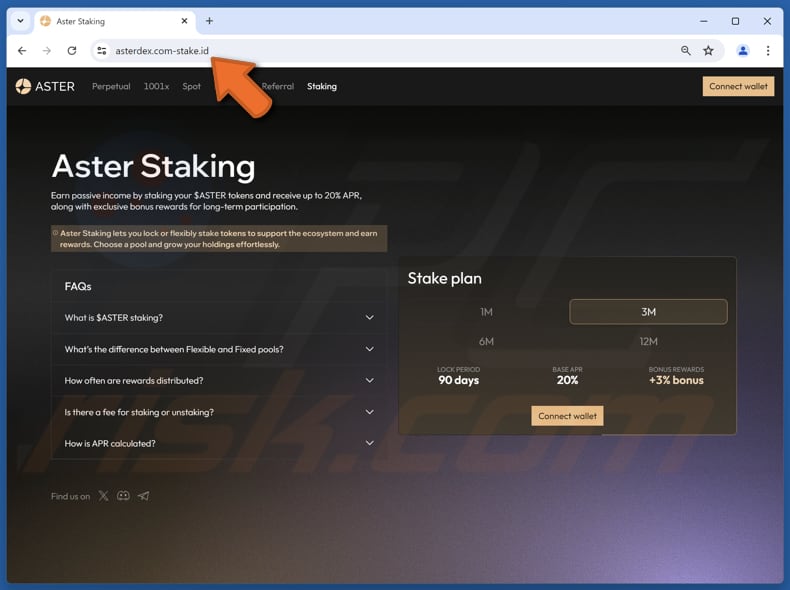
The victim sees balances and rewards on a dashboard, but no real staking or blockchain activity exists.
How the Fake Staking Lock Scam Works
This scam follows a predictable psychological flow.
Step 1: Initial Deposit
The victim is encouraged to deposit crypto to:
- Activate staking
- Earn passive income
- Access higher reward tiers
The platform may show immediate “rewards” to build confidence.
Step 2: Visible but Locked Funds
After some time, the dashboard shows:
- Increased balances
- Accrued staking rewards
- “Locked” status on funds
The lock is presented as normal staking behavior.
Step 3: The Unlock Requirement
When the victim tries to withdraw, they are told they must:
- Pay an unlock fee
- Cover network or liquidity costs
- Pay tax or compliance charges
- Reach a higher staking tier
These requirements are not disclosed upfront.
Step 4: Escalation
After paying once, new requirements appear:
- Higher unlock fees
- Additional verification
- Extended lock periods
The goal is to extract as much as possible.
Step 5: Silence or Account Freeze
Eventually:
- Withdrawals never occur
- Support becomes unresponsive
- The account is frozen or removed
The funds were never real to begin with.
Why This Scam Is So Convincing
Fake staking lock scams work because:
- Real staking does involve lock periods
- Dashboards look professional
- Rewards appear to grow
- Technical explanations sound plausible
- Victims believe patience will solve the issue
The scam hides behind legitimate crypto concepts.
Common Variations of the Scam
“Unlock Fee” Scam
Victims are told they must pay a one-time fee to unlock funds.
“Liquidity Requirement” Scam
Users are asked to deposit more crypto to meet liquidity thresholds.
“Tax Before Withdrawal” Scam
Victims are told taxes must be paid before rewards can be released.
“Tier Upgrade” Scam
Withdrawals are blocked until a higher staking tier is reached.
Each variation leads to the same result: no withdrawal
Warning Signs Most Victims Miss
- No on-chain proof of staking
- Rewards growing unrealistically fast
- Fees required before withdrawals
- Locks introduced after deposits
- Support discouraging external verification
Real staking does not operate this way.
How Fake Staking Lock Scams Differ from Real Staking
Real staking:
- Is visible on the blockchain
- Uses transparent lock periods
- Does not require surprise fees
- Allows withdrawal according to fixed rules
Fake staking:
- Exists only on dashboards
- Introduces new conditions constantly
- Requires repeated payments
- Never releases funds
The difference is transparency.
Who Is Most Targeted
Fake staking lock scams often target:
- Passive income seekers
- New crypto investors
- Users unfamiliar with staking mechanics
- Victims of earlier crypto losses
- Users contacted through private messages
These scams prey on trust and patience.
What To Do If You’re Facing a “Locked Staking” Situation
If a platform claims your funds are locked:
- Do not pay unlock or release fees
- Stop depositing additional funds
- Preserve screenshots and transaction records
- Be cautious of anyone promising guaranteed release
Repeated payment demands are a major red flag.
Final Thoughts
The fake staking lock scam exploits a simple belief:
“My money is there — I just need to unlock it.”
In reality, the lock is the scam.
When withdrawals are always one step away but never happen, the platform is not staking crypto — it’s extracting trust and money.
Understanding how fake staking lock scams work can prevent prolonged losses and stop victims from paying fee after fee for funds that never existed