

Recovery Scam After Pig Butchering: How Victims Get Scammed a Second Time
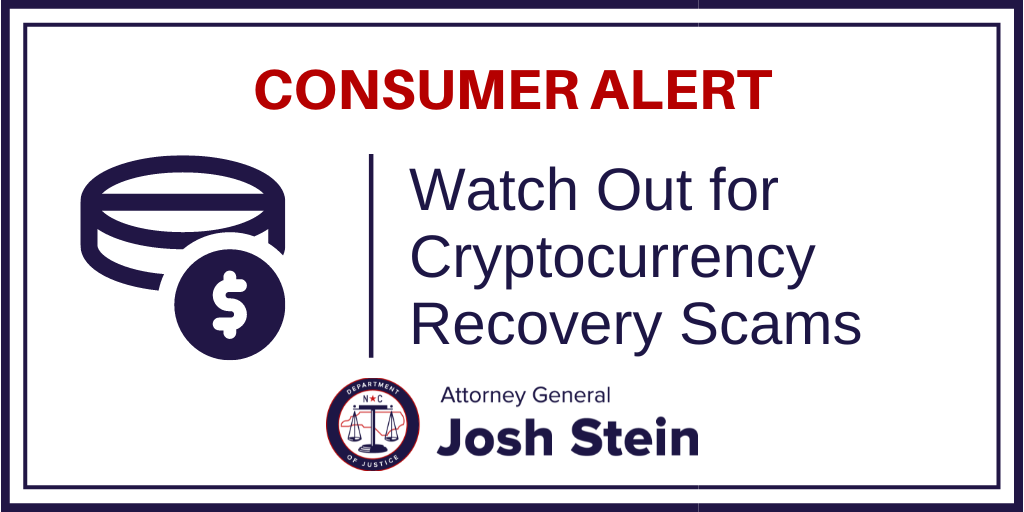
After a pig butchering scam collapses, many victims believe the worst is over. In reality, this is often when the second scam begins. Known as the recovery scam, it specifically targets people who have already lost money and are emotionally vulnerable.
Recovery scams are responsible for millions in additional losses each year and are one of the most overlooked dangers facing crypto scam victims.
What Is a Recovery Scam?
A recovery scam happens when someone claims they can:
- Recover stolen crypto
- Trace and retrieve lost funds
- Unlock frozen balances
- Reverse blockchain transactions
These claims are made after a victim has already been scammed — often shortly after.
In most cases, the “recovery agent” is either:
- A new scammer, or
- Part of the original scam network
Why Pig Butchering Victims Are Prime Targets
Pig butchering victims are especially vulnerable because:
- They believe funds still exist
- They saw profits on a dashboard
- They were told recovery is “one step away”
- They are emotionally invested
- They want closure
Scammers exploit hope, not ignorance.
How Recovery Scams Usually Start
Step 1: The Contact
Victims may be contacted through:
- Telegram or WhatsApp
- Social media
- Comments on scam forums
- “Helpful” messages offering assistance
Often, the scammer already knows details about the original scam.
Step 2: The Authority Claim
The recovery scammer claims to be:
- A crypto investigator
- A recovery expert
- A blockchain analyst
- A legal partner
- A “white-hat hacker”
They present themselves as professional and calm.
Step 3: The Proof Illusion
Victims are shown:
- Fake tracing reports
- Screenshots of blockchain data
- Fake law enforcement references
- Fake exchange communications
This creates belief that recovery is already in progress.
Step 4: The Fee Request
Then comes the catch:
- Recovery fee
- Unlock fee
- Legal fee
- Tax or clearance fee
Payment is always required before any funds are released.
Step 5: Endless Escalation
After payment:
- New fees appear
- Delays are explained
- Excuses multiply
- Recovery never happens
The victim loses more money.
Key Red Flags of Recovery Scams
- Guaranteed recovery promises
- Claims of hacking wallets
- Requests for upfront fees
- Pressure to act quickly
- Claims that funds are “almost released”
- Requests for secrecy
- No verifiable legal authority
No legitimate process works this way.
The Hard Truth About Crypto Recovery
In reality:
- Blockchain transactions are irreversible
- Private wallets cannot be “hacked back”
- Only law enforcement and courts can compel action
- Even then, recovery is rare
Anyone promising certainty is lying.
How Recovery Scams Differ from Legitimate Investigation
Legitimate investigation focuses on:
- Tracing fund movement
- Identifying exchange interactions
- Documenting evidence
- Setting realistic expectations
Recovery scams focus on:
- Emotional pressure
- Hope-based promises
- Repeated payments
- Endless delays
The difference is honesty.
Why Victims Keep Paying
Victims often continue paying because:
- They feel close to resolution
- They want to undo the original loss
- They trust “professional” language
- They fear missing the last chance
This is known as loss chasing — and scammers rely on it.
What Victims Should Do Instead
If approached by a recovery service:
- Be skeptical of guarantees
- Avoid paying upfront fees
- Verify credentials independently
- Do not act under pressure
- Preserve all original evidence
Stopping further loss is often the most important step.
Final Thoughts
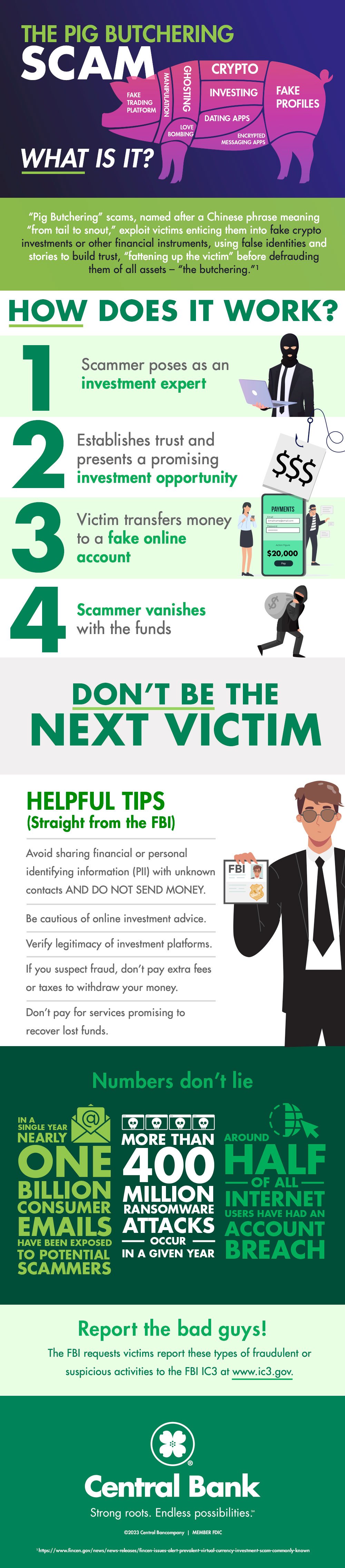
Recovery scams are a cruel extension of pig butchering fraud. They target victims when they are most vulnerable, offering hope where there is little certainty.
Understanding recovery scams is critical. In crypto, clarity and realism protect victims far more than promises. Once a scam has occurred, the biggest danger is often not the original loss — but what happens next.