

Fake Crypto Tax Demand Scam Explained: When “Taxes” Are Used to Block Withdrawals
The fake crypto tax demand scam is a manipulation tactic where victims are told they must pay a tax, clearance fee, or government charge before they can withdraw crypto funds. This scam is especially common after wallet drainers, fake trading platforms, fake staking schemes, and fake recovery attempts.
The scam works because it exploits fear of legal trouble and confusion around crypto taxation.
What Is a Fake Crypto Tax Demand Scam?
A fake crypto tax demand scam occurs when a platform or individual claims:
- Your crypto profits are taxable
- A tax must be paid before withdrawal
- Funds are frozen until tax is settled
- The tax must be paid directly to unlock funds
In reality, no tax authority operates this way, and the demand is purely fraudulent.
How the Fake Crypto Tax Scam Works
Step 1: Profits Appear
The victim sees:
- Account balances increase
- Profits displayed on a dashboard
- “Successful” trades or staking rewards
This builds belief that the money exists.
Step 2: Withdrawal Attempt
When the victim tries to withdraw, they are told:
- Taxes must be paid first
- Funds are under tax review
- Clearance is required
This requirement was not mentioned upfront.
Step 3: The Tax Demand
The scammer demands payment labeled as:
- Capital gains tax
- Crypto profit tax
- Government clearance fee
- Regulatory release fee
The payment is requested in crypto and sent to a private wallet.
Step 4: Escalation
After the “tax” is paid:
- New fees appear
- Additional taxes are claimed
- Verification issues arise
- Withdrawals remain blocked
The scam continues until the victim stops paying.
Why This Scam Is So Convincing
Fake crypto tax scams work because:
- Crypto tax laws are complex
- Users fear penalties or legal trouble
- The demand sounds official
- Victims don’t want to risk losing funds
- Dashboards make profits feel real
Scammers rely on authority and fear, not speed.
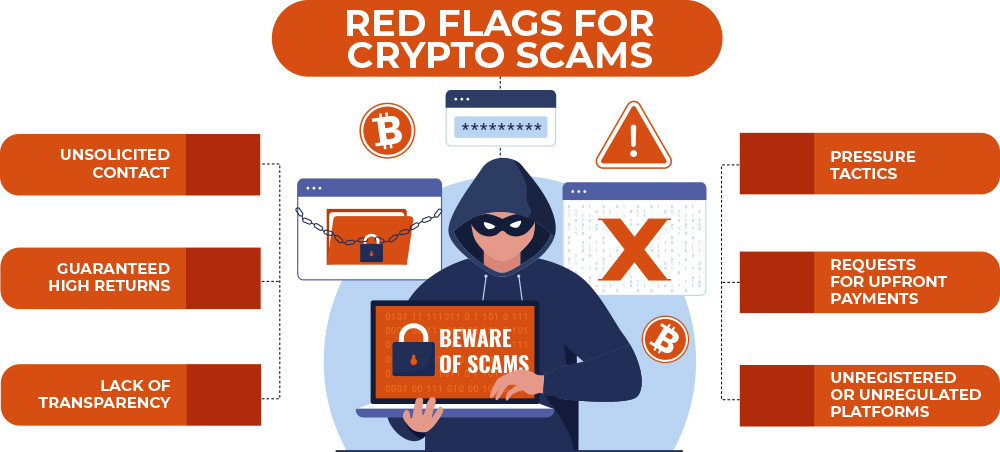
Key Red Flags Most Victims Miss
- Taxes requested before funds are received
- Payments sent to private wallets
- No official tax documentation
- No ability to deduct tax from balance
- Threats of permanent fund loss
- Pressure to act quickly
Real taxes are handled after funds are received, not before.
How Real Crypto Taxes Actually Work
In legitimate situations:
- Taxes are paid to tax authorities, not platforms
- Platforms do not collect personal taxes
- Taxes are calculated after withdrawal or sale
- No tax authority freezes wallets via private platforms
If a platform demands tax to release funds, it is a scam.
Common Situations Where This Scam Appears
- Fake trading platforms
- Fake staking dashboards
- Fake liquidity mining schemes
- Fake recovery services
- Fake wallet balance scams
The tax demand is often the final extraction step.
Who Is Most Targeted
Fake crypto tax scamsCT scams commonly target:
- Victims already emotionally invested
- Users who believe profits are real
- People unfamiliar with crypto tax processes
- Individuals recovering from earlier scams
Once trust is built, fear finishes the job.
What To Do If You’re Asked to Pay a “Crypto Tax”
If you receive a tax demand:
- Do not pay it
- Do not send additional funds
- Stop interacting with the platform
- Preserve all messages and transaction details
- Be skeptical of threats or deadlines
Paying once almost always leads to more demands.
Why This Scam Causes Heavy Losses
Victims often pay:
- Large “tax” amounts
- Multiple escalating fees
- Funds equal to or greater than original deposits
The scam exploits the belief that the payout is just one step away.
Final Thoughts
The fake crypto tax demand scam preys on confusion and fear. By disguising theft as compliance, scammers convince victims to keep paying for money that never existed.
In crypto, no legitimate platform requires taxes to be paid upfront to unlock withdrawals.
When “tax” becomes a condition for access, it’s not compliance — it’s a scam.