

Fake Liquidity Mining Scam Explained: How “Yield Farming” Is Used to Drain Crypto
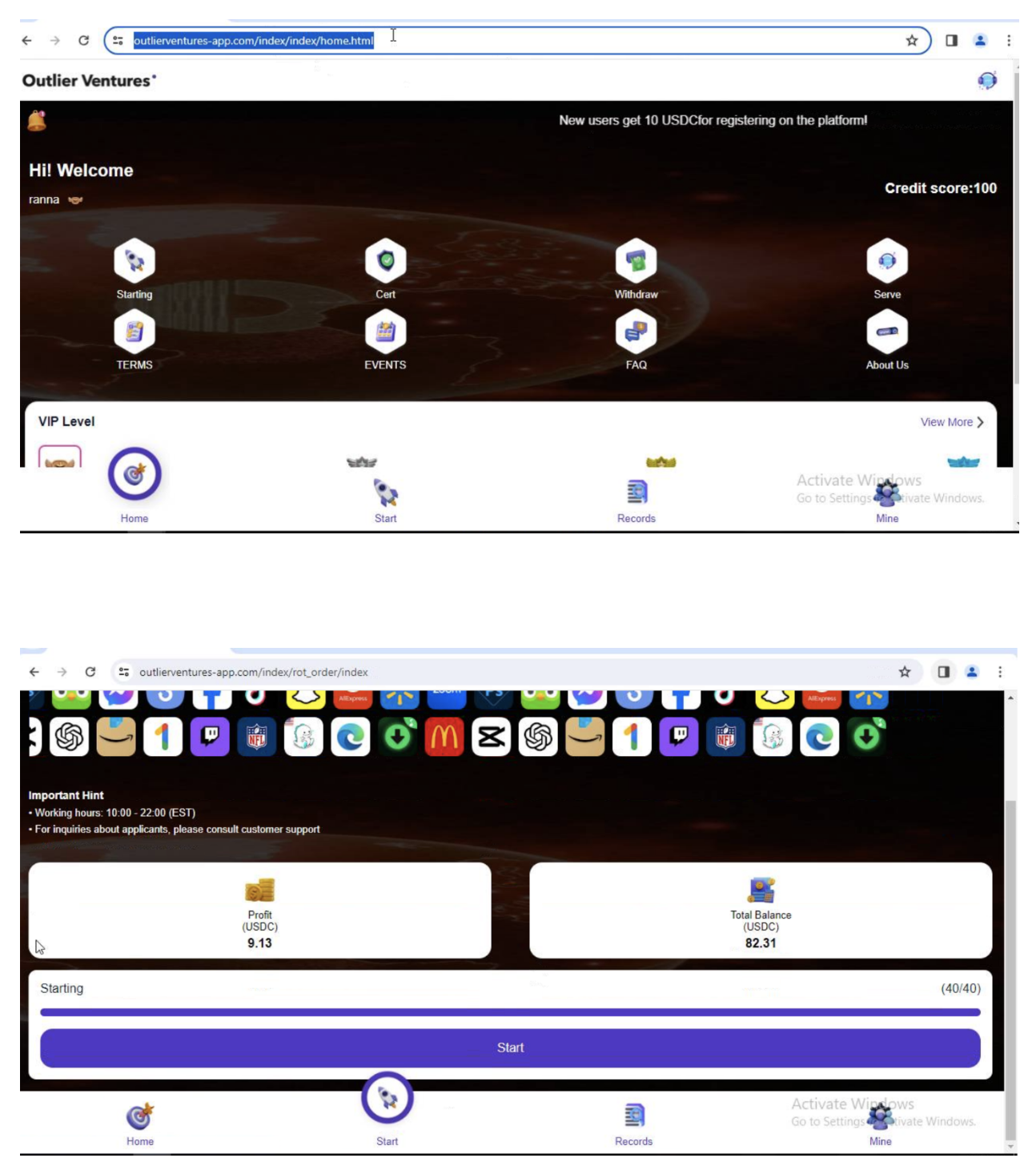
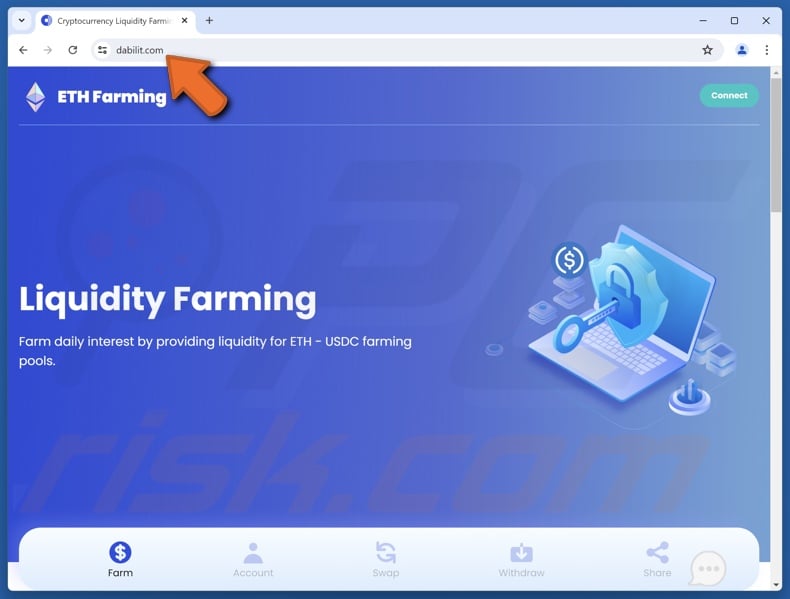
The fake liquidity mining scam (often disguised as yield farming) is a DeFi-themed fraud where users are promised high returns for providing liquidity to a pool that does not actually exist. Victims see balances grow on a dashboard, but the underlying smart contracts or pools are either malicious or completely fake.
This scam blends technical language with impressive visuals, making it especially convincing to users who are familiar with DeFi concepts but don’t verify on-chain activity.
What Is a Fake Liquidity Mining Scam?
A fake liquidity mining scam occurs when a platform claims users can:
- Deposit crypto into a liquidity pool
- Earn rewards or yield over time
- Withdraw both principal and rewards later
In reality:
- The pool is not real, or
- The smart contract is designed to block withdrawals, or
- Deposits are immediately routed to scammer wallets
The “mining” or “farming” exists only on the dashboard.
How the Fake Liquidity Mining Scam Works
Step 1: DeFi-Themed Promotion
Victims are introduced to:
- A new liquidity pool
- A high-APR farming opportunity
- A “limited-time” yield event
The language sounds legitimate and mirrors real DeFi protocols.
Step 2: Deposit to “Provide Liquidity”
Users deposit crypto to:
- Activate mining
- Start earning yield
- Unlock higher reward tiers
The deposit transaction may look normal, which builds trust.
Step 3: Dashboard Rewards Appear
Soon after:
- Rewards begin “accruing”
- APY looks impressive
- Balances increase steadily
These numbers are often simulated, not earned.
Step 4: Withdrawal Is Blocked
When users attempt to withdraw, they are told:
- Liquidity is locked
- Pool conditions must be met
- Fees or taxes are required
- Additional deposits are needed
None of these conditions were disclosed upfront.
Step 5: Escalation or Exit
After repeated payments:
- Withdrawals still fail
- Support becomes evasive
- The platform disappears or freezes accounts
The liquidity was never real.
Why Fake Liquidity Mining Is So Convincing
This scam works because:
- Liquidity mining is a real DeFi concept
- Users expect smart contracts and lockups
- Dashboards look technical and professional
- Yield numbers distract from verification
- Victims assume complexity equals legitimacy
The scam hides behind real terminology.
Common Variations of the Scam
“Exclusive Pool” Scam
Users are told the pool is private or invite-only, discouraging public verification.
“Liquidity Lock” Excuse
Funds are claimed to be locked for stability or security reasons.
“Gas or Unlock Fee” Scam
Victims must pay extra to withdraw mined rewards.
“Pool Upgrade” Delay
Withdrawals are blocked due to a supposed contract upgrade.
Each variation leads to the same result: no withdrawal.
Key Red Flags to Watch For
- No verifiable on-chain liquidity pool
- Rewards appearing too quickly
- APRs far above market norms
- Withdrawal rules introduced after deposit
- Requests for extra payments before withdrawal
- No independent proof of pool existence
Real liquidity pools are publicly verifiable.
Fake Liquidity Mining vs Real DeFi Farming
Real DeFi farming:
- Pools are visible on-chain
- Smart contracts are public
- Liquidity amounts can be verified
- Withdrawal rules are known upfront
Fake liquidity mining:
- Exists only on dashboards
- Uses vague or hidden contracts
- Introduces new rules constantly
- Requires repeated payments
Transparency is the difference.
Who Is Most Targeted
Fake liquidity mining scams often target:
- DeFi users seeking yield
- Crypto investors chasing passive income
- Users familiar with farming concepts
- Victims of earlier crypto scams
- Users contacted through private channels
Knowledge of DeFi can increase confidence—and risk.
What To Do If You’re Facing a “Liquidity Mining” Issue
If a platform claims your liquidity is locked:
- Do not pay unlock or gas fees
- Stop depositing additional funds
- Preserve transaction records and screenshots
- Be cautious of promises tied to more payments
Repeated conditions are a major warning sign.
Final Thoughts
Fake liquidity mining scams exploit the popularity of DeFi by copying its language without its transparency. The promise of yield distracts from a simple truth: if you can’t verify the pool on-chain, it likely doesn’t exist.
In DeFi, visibility is protection.
If liquidity can’t be seen, measured, and withdrawn under clear rules, it isn’t liquidity—it’s a trap.